
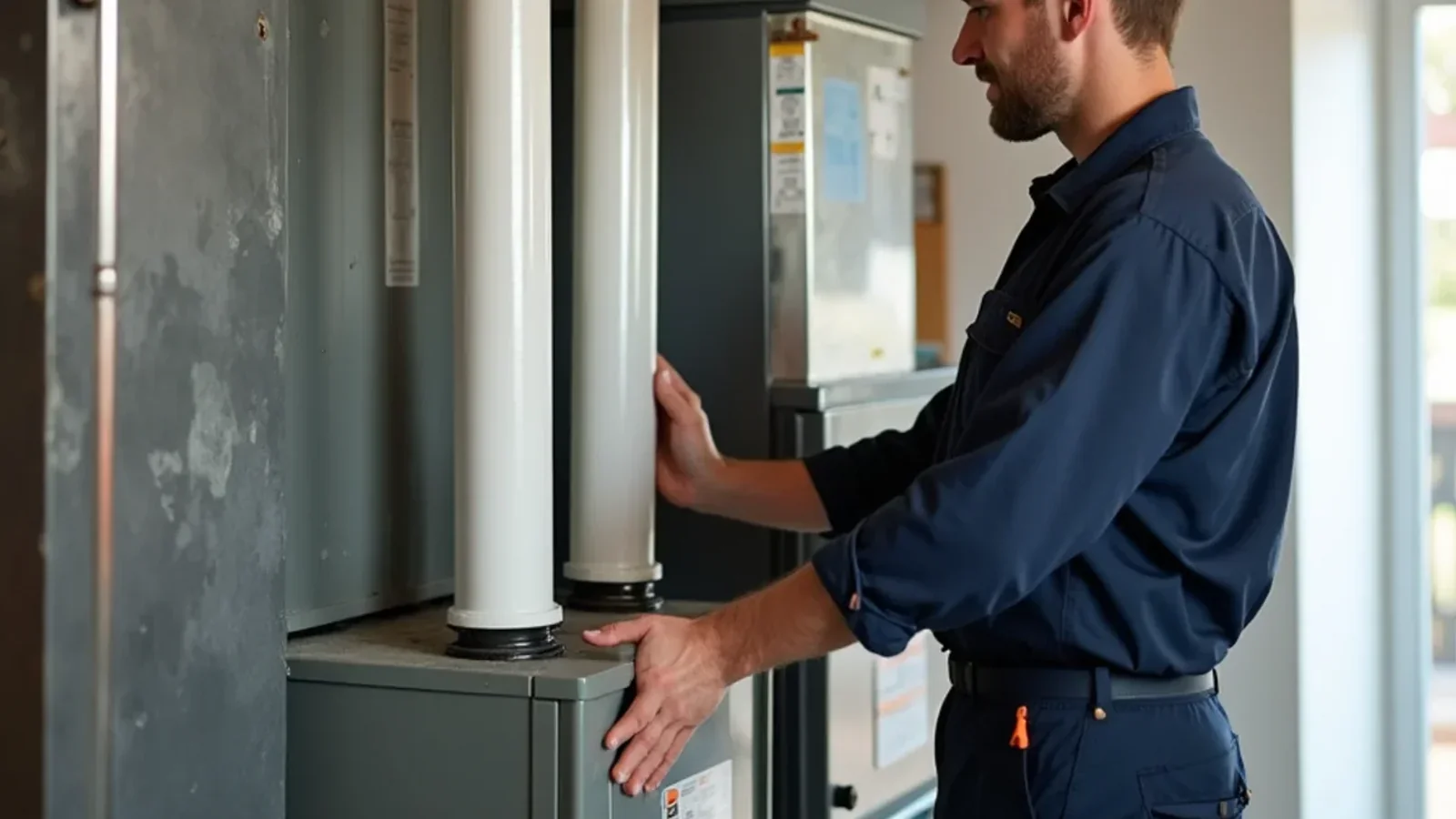
Decision framework: when does furnace repair make economic sense versus replacement?
Overview: Repair or Replace Your Furnace? A Minnesota Guide
Minnesota homeowners and commercial facility managers face distinct climate extremes that push mechanical systems to their absolute engineering limits. Winter temperatures across Shakopee, Prior Lake, and Scott County frequently plunge to -20°F and colder during Arctic polar vortex events, while humid summer weather in the Minnesota River valley creates heavy sensible and latent cooling loads. In this detailed diagnostic guide, master mechanical contractor Wil Fonder breaks down critical considerations, field-tested troubleshooting checklists, and professional recommendations for repair or replace your furnace? a minnesota guide. Understanding how your heating, ventilation, and cooling systems operate under extreme weather protects your property, keeps energy consumption in check, and helps prevent catastrophic mid-winter emergency outages.
Step-by-Step Diagnostic & Triage Checklist
Before scheduling emergency dispatch or making major equipment replacement decisions, work systematically through these practical verification steps: (1) Thermostat Inspection: Ensure the thermostat is set to 'Heat' or 'Cool' with the fan switch set to 'Auto', and replace standard AA/AAA alkaline batteries if the display is dim or unresponsive. (2) Air Filter Verification: Remove and inspect your furnace or air handler filter; a filter clogged with dust or pet dander restricts airflow, causing modern furnaces to overheat and trip the high-limit switch, or causing AC evaporator coils to freeze into solid blocks of ice. (3) Electrical Power Checks: Confirm that the system service switch (the toggle switch on or near the furnace cabinet) is flipped on and that the corresponding circuit breaker in your electrical service panel has not tripped. (4) Exterior Terminal Inspection: For 90%+ high-efficiency condensing furnaces, heat pumps, and water heaters, inspect outdoor concentric or dual-pipe PVC vents to ensure intake and exhaust terminations are completely clear of drifting snow, ice dams, or bird nests. (5) Commercial Refrigeration Checks: For walk-in and reach-in commercial coolers, verify that evaporator fans are spinning, defrost clock pins are set correctly, condenser coils are free of grease and lint, and magnetic perimeter door gaskets seal tightly without air gaps.
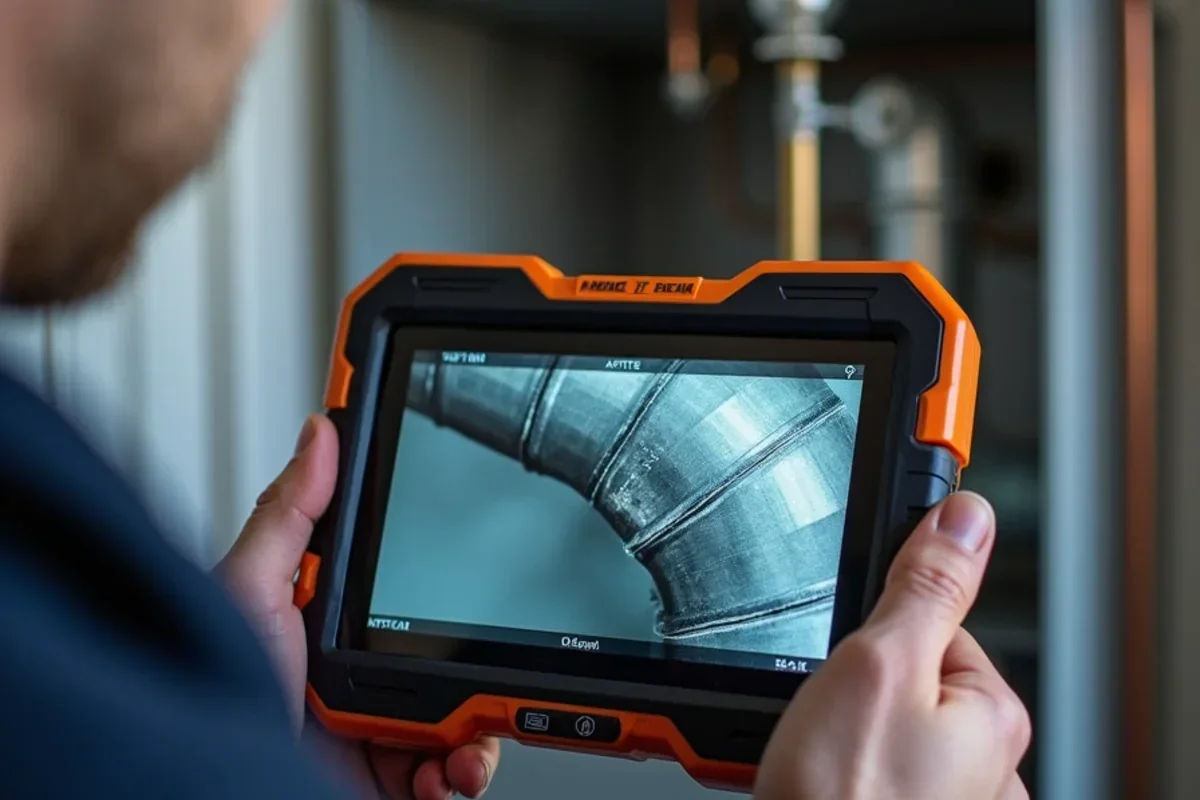
Technical Analysis, Cost Factors & Minnesota Code Context
Under Minnesota Mechanical Code (Chapter 1346) and regional utility standards, HVAC equipment must be carefully matched to the thermal envelope of the building. Equipment should never be sized based solely on existing square footage or old equipment tags; instead, professional Manual J heating and cooling load calculations ensure the equipment operates at peak efficiency without short-cycling. High-efficiency 96%+ AFUE two-stage and modulating gas furnaces paired with cold-climate inverter heat pumps deliver exceptional comfort and lower utility bills throughout Minnesota's extended heating season. Furthermore, qualifying high-efficiency installations in Shakopee and Scott County are eligible for substantial cash-back utility rebates through CenterPoint Energy, Xcel Energy, and Shakopee Public Utilities (SPU), which can offset hundreds or even thousands of dollars in upfront investment.
Common Mistakes to Avoid During Equipment Failures
During an unexpected heating or air conditioning breakdown, avoid these dangerous or costly mistakes: First, never repeatedly reset a tripped furnace limit switch or electrical breaker without identifying the underlying cause, as this can crack a heat exchanger or damage blower electronics. Second, do not ignore yellow or flickering furnace burner flames, unusual burning odors, or exhaust smells, as these are clear indicators of incomplete combustion and potential carbon monoxide risk. Third, in commercial kitchens and restaurants, never prop open walk-in cooler doors with crates during deliveries, as ambient moisture rapidly cakes evaporator coils in frost, causing high-head pressure alarms and compressor failure. Fourth, avoid trusting generic internet DIY hacks over certified diagnostics; modern high-efficiency HVAC equipment features sensitive microprocessors, ECM variable-speed motors, and advanced safety circuits that require calibrated multimeters, digital manometers, and combustion analyzers to diagnose accurately.
When to Call Wil Fonder at Performance Mechanical
If you detect natural gas odors, if your carbon monoxide alarm sounds, if your furnace continuously shuts off within seconds of ignition, or if your commercial refrigeration system threatens food spoilage above 41°F, shut off power and seek professional service immediately. Performance Mechanical LLC provides responsive 24/7 emergency dispatch across Shakopee, Prior Lake, Savage, Chaska, and surrounding communities. Wil Fonder personally answers dispatch calls, provides clear upfront pricing with zero hidden trip fees, and backs every repair with master-level craftsmanship. Call (213) 423-7827 to speak directly with Wil and restore dependable heating, cooling, or refrigeration comfort today.
Wil (William Arthur) Fonder
Master ContractorAssociate of Applied Science (AAS) in HVAC/R System Servicing — Dunwoody College of Technology
Wil Fonder is a Prior Lake native and master technician who answers the phone and personally leads field calls. With specialized training from Dunwoody College of Technology and the St. Paul Pipefitters apprenticeship, Wil pairs high-level commercial hydronics and refrigeration craftsmanship with honest, relationship-first residential service.